Who is eligible and what is the procedure?
Step-by-step procedure
What is repatriation in Poland?
Repatriation is the process of returning to their homeland country those who, for various historical or political reasons, find themselves outside its borders. In Poland, repatriation is regulated by specific regulations, providing the opportunity for individuals with Polish roots to legally settle down in the country. The repatriation process is not always straightforward, but thanks to clearly defined procedures, it can be completed step by step, with government support. In practice, repatriating individuals of Polish origin is not just a formality but also a return to the community of the Polish nation—to the language, culture, and traditions to which repatriates have often been connected for generations.
Who is a repatriate?
The definition of repatriate
A repatriate is a person of Polish origin who, under the law, has the right to return to the country and settle there permanently. Upon crossing the border and fulfilling legal requirements, a repatriate with Polish citizenship acquires all the rights and obligations of any Polish citizen. It is also worth noting that the regulations provide special solutions for families – for example, a minor automatically acquires citizenship along with their parent, facilitating the process of integration and settlement in Poland.
Who can become a repatriate?
People of Polish origin have the right to apply for a return to their homeland under special repatriation regulations. These are most often people of Polish origin whose ancestors originated in the former Polish-Lithuanian Commonwealth and who, for historical reasons, found themselves outside the country’s borders. The basis for this is Polish nationality, confirmed by appropriate documents and ties to culture and tradition. This makes the repatriation process a real opportunity to return to their homeland and begin a new life in Poland.
The basis for obtaining the right to return to the country is Polish origin. This means that a repatriation candidate must demonstrate their ties to the Polish nation and culture. Polish origin can be proven through official documents, civil registry records, or witness statements. This is a key requirement for Polish origin, without which submitting a repatriation application will be impossible. This ensures that those arriving under repatriation truly have historical and familial ties to their homeland.
Documents and proofs of origin
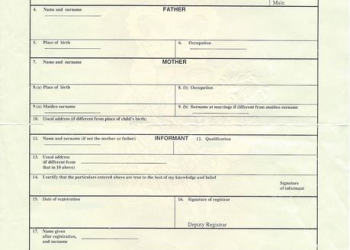
To prove ties to Poland, appropriate evidence confirming Polish origin is necessary. The most commonly accepted documents include birth, marriage, and death certificates—official documents confirming family ties to the country. Polish civil status records are also important, and in their absence, other civil status records indicating Polish roots. Often, a declaration of Polish nationality submitted by an applicant or their ancestors is also a key element. Together, these documents constitute a set of documents confirming Polish origin, which serves as the basis for initiating the repatriation procedure.
The purpose of repatriation and its importance for Poland
Why does repatriation exist?
The main goal of repatriation is to enable people of Polish origin to return to their ancestral homeland and rebuild their ties with their homeland. Through this process, Poland gains new citizens, who often retain their language and traditions despite living abroad. Each candidate, specifying the purpose of repatriation, submits an application to the relevant institutions, and the entire procedure is conducted in close cooperation with Polish diplomatic missions. The consul plays a key role in this process, reviewing documents and supporting prospective repatriates in completing the formalities.
Repatriation and the Polish State
The Republic of Poland views repatriation as an important element of its historical and social policy. It is not merely a formal matter but also a moral obligation towards those who, due to history, have been forced to live outside their homeland. The return of compatriots to the country enriches the country’s culture and economy, as well as strengthens the bonds that unite the Polish nation. The entire process is supported and regulated by the Polish government, which creates regulations to facilitate repatriates’ settlement and the beginning of life in new conditions.
Repatriation process step-by-step
Submitting an application
The first stage of the entire procedure is a repatriate’s application, which initiates the process of returning to Poland. This application is then used to submit a repatriation application to the relevant state institutions. Each person applying for repatriation must demonstrate Polish origin and meet specific formal criteria. The basis for the application, including relevant documents confirming family and historical ties to Poland, is also crucial. Only complete and correctly submitted documents allow the subsequent stages of the repatriation procedure to begin.
Where does an applicant need to submit documents?
In Poland, it is established state institutions that conduct repatriation matters providing support to people who want to return to their homeland. Each matter of recognition of an applicant is considered individually, taking into account documents confirming Polish origin. In some cases, it is also necessary to grant a place of residence in the country, which regulates the repatriates’ settlement process. The whole procedure takes place through the Polish office, most often by a consulate or diplomatic mission, and then transferred to domestic institutions. The Polish Registry Office also plays an important role, in which entries are made and issues relevant statements. Formalities are completed directly at the Registry Office, which confirms the documents and data needed in the further process.
State organs
The Ministry of Interior Affairs and Administration of the Republic of Poland plays a key role in the entire repatriation process, responsible for developing regulations and coordinating activities related to the settlement of people of Polish origin. This Ministry is headed by the Minister, who oversees the implementation of the Repatriation Act and exercises control over the procedures. The Government Plenipotentiary for Repatriation also plays a key role, responsible for supporting repatriates, arranging places in adaptation centers, and initiating integration programs that facilitate their return to Poland and the start of life in a new environment.
National visa for repatriation
Visa types and procedure
One of the most important elements of the entire process is the national repatriation visa, which allows for legal entry to Poland and a new life. To obtain the document, a repatriation visa must be issued by a Polish diplomatic mission. Such repatriation visas are granted only to individuals who meet the requirement of Polish origin and possess the appropriate documents. In practice, the procedure also includes the issuance of a national visa, which formally confirms the right to settle. The basis for the national visa, i.e., the complete set of required documents proving a connection to Poland, plays a crucial role here. After a positive decision, a confirming document is issued, allowing a repatriate to seamlessly begin the process of adaptation in the country.
Acquisition of Polish citizenship by a repatriate
How to obtain citizenship?
The repatriation process leads to the acquisition of Polish citizenship, meaning that a person arriving in the country permanently becomes a full citizen. Upon crossing the border and fulfilling the formal requirements, Polish citizenship is automatically acquired. From that moment on, a repatriate becomes a Polish citizen, granting them access to all the rights and obligations of any citizen—from the opportunity to work and study to participation in the social and political life of the Republic of Poland.
Legal status of a repatriate
Upon arrival in the country, each repatriate automatically becomes a Polish citizen and enjoys all the rights of Polish citizenship. To formally complete the process, confirmation of Polish citizenship is required, issued by the relevant administrative bodies. Sometimes, it is also necessary to submit a special document, such as a declaration of Polish nationality, which further simplifies the formalities. In practice, repatriation guarantees the repatriate’s full participation in the country’s social and political life. It is worth noting that the regulations also apply to individuals who were formerly citizens of the Polish People’s Republic, demonstrating the continuity and responsibility of the state towards its citizens and their descendants.
Adaptation centers in Poland – support for repatriates
How do adaptation centers work?
Upon arrival, repatriates can count on assistance from special adaptation centers in Poland. These centers are designed for those who need support during the first few months of life in a new environment. These adaptation centers provide accommodation, meals, and access to language courses, career counseling, and legal assistance. This makes the process of integration into the local community faster and easier, allowing repatriates to safely begin their lives in Poland.
Integration and language learning
One of the key elements of adaptation is help in learning Polish, thanks to which repatriates can freely communicate in everyday situations. Mastering Polish language opens the door to education, work and full integration with the local community. In this process, a person supporting a repatriate is also extremely important, because they help them to find themselves in the new environment and accompany in the first steps after arrival. At the same time, the state conducts programs supporting the professional activation of repatriates to help them find employment and ensure financial stability.
Financial support for repetriate
Forns of financial support
The Polish state provides extensive help to a repatriate to make it easier for them to start in a new place. Among other things, financial assistance is available for repatriates, which includes support to cover the costs associated with settling and arranging life in Poland. One of the basic forms is one-off financial assistance, granted at the beginning of your stay to ensure the most important needs. In addition, there are various programs and allowances that are long -term financial assistance, thanks to which repatriates can be easier to find themselves in new conditions.
Conditions for obtaining support
To receive financial assistance, it is necessary to present documents confirming the existence of living conditions in Poland. This means that a repatriate or their family must demonstrate the ability to live, work, or other means of maintenance in the country. This ensures that financial support reaches individuals who genuinely plan to start a life in Poland and have a realistic chance of a stable future.
New repatriation rules – what has changed?
Current regulations
In recent years, new repatriation regulations have simplified some procedures and clarified the list of required documents. Polish identity documents are crucial here which repatriates receive after completing the main stages of the process. They confirm their status and facilitate official matters. Other Polish documents and statements are also required at earlier stages, allowing the office to verify their origin and legal status. Once the application is approved, a document confirming the right to settle and exercise the rights of citizens is issued, effectively completing the most important part of the formalities.
Tools and information databases
Official data sources and documents play a significant role in the repatriation process. Polish civil status records are crucial, as they confirm origin and form the basis for obtaining visas and citizenship. The RODAK database, a special register collecting information on people of Polish origin seeking repatriation, is also increasingly being used. These tools make procedures more transparent, and offices can more quickly verify documents and support those returning to the country.
Summary –Repatriation to Poland in practice
Repatriation in Poland is a process that offers people of Polish origin and their families a chance to return to their homeland. Each repatriate goes through the next stages of the procedure – from submitting an application, through verification of documents, to obtaining citizenship and support in integration. The main goal of repatriation is to restore ties with the country of the ancestors, as well as to strengthen the national community. While repatriation matters may take time and patience, the state offers financial, adaptive and legal assistance to facilitate this return. The whole process takes place within the framework of the policy pursued by the Republic of Poland, which treats repatriation as an important element of responsibility towards compatriots living outside the country.
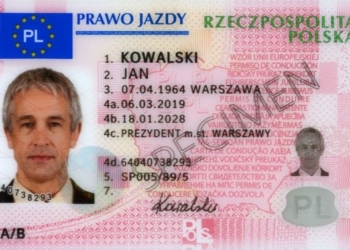
Do you want to translate Civil Status Certificates, School Certificates, car documents and driver’s licenses or other documents issued by the state organs?
We use essential cookies to make this website work. With your consent, we may also use analytics, marketing and preference cookies to improve the website, measure performance and personalize content or advertising.