Are you looking forward to studying abroad and experiencing the new culture? It will not only be the adventure you will never forget, but also the experience where you will learn a lot and broaden your horizons. When you step out of your comfort zone, you will certainly feel nervous, but this article will help you overcome your initial anxiety. Is it worth studying in another country?
First of all, let’s focus on the myths that often stop young people from daring to go abroad. Here are 10 ones about studying abroad. Let’s debunk them all!
Also, if you are interested in studying abroad in particular country, it can be helpful to read our following articles, such as:
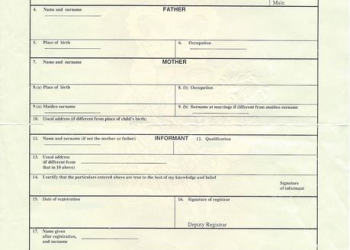
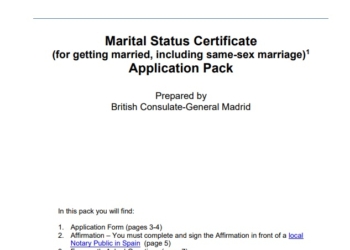
Many documents will need to be translated in order to study abroad. The main documents required by the foreign university will be the translation of your school-leaving certificate and birth certificate. In some cases, translations of documents such as Income Certificates may also be required. Be sure to check whether you will need to have your documents legalised and read the article ‘How to get documents legalised in Poland’.
Find out how much the translation of individual documents will cost you. To do this, click on the buttons below and search for the country in which you want to study.
If your country is not on the list, you can go directly to the contact form and send us the photo or scan of the document to get free quotation.
STUDYING OUTSIDE THE COUNTRY: myths about going, as well as the advantages of doing so
1)Studying abroad is too expensive
Sure, studying can be expensive, but it does not have to be. The cost of the semester abroad varies depending on the country and the university you go to. Some universities also offer free classes, in fact, you may even find that the cost of studying abroad will be comparable to the cost in your home country. Additionally, you may be able to apply for a scholarship.
2)Studying abroad is like going on holiday
Studying abroad is not just about partying and having fun. Of course, you can also have fun, but the main goal is to study, to acquire knowledge and develop skills that will be useful in the future. Learning is really required of the student. If you waste too much time at parties and events, you can be very disappointed when you return home.
3)It is not possible to go abroad in your final year of study
Studying abroad is available to every student. Many people choose to study in their first or second year because it is easier, which does not mean that going in your final year is impossible. Of course, it is advisable to consider the advantages and disadvantages of such a change, but everything is doable.
4)You can only go to European countries to study
It is true that the most popular study destinations are in Europe, but this does not mean that you cannot choose to go to other countries in the world. Nowadays, many students are starting to consider places such as China or Brazil.
5)You go abroad just to learn the most popular languages
The experience of studying abroad can help you develop skills that will be useful in any profession. No one is preventing you from going to a little-chosen destination and learning a new language. With an increasingly globalised job market, knowing a language that is not widely spoken can only be the advantage.
6)No funding for study abroad
There are many opportunities for financial support for those who choose to study abroad. Most schools and universities offer various opportunities for assistance and participate in international mobility programmes. Ask for information at institutions that support outgoing students, there they will know how to help you!
7)Studying abroad will delay your graduation date
This is entirely up to you and your choices. If you decide to study abroad, you should weigh up all the pros and cons and make the most appropriate decision for your future. Do not forget that there is also the possibility of writing your thesis while you are away from home. Many companies abroad offer internships for students about to graduate to help them with their final project.
8)Travelling alone is the same as studying abroad
Studying abroad is the special experience and not at all like travelling alone. When you study in another country, you find yourself in the international environment, you meet new people, make interesting friends and one thing is for sure…. you are never alone!
9)Studying abroad is dangerous
This depends on your chosen destination. Some places will be more dangerous than others and a lot depends on what is currently happening in the world. Before you choose your university and your destination, make sure that make sure you will not be threatened by anything there, or ask others for information.
10)I do not speak foreign languages, so I can't study abroad
There are many study abroad programmes that do not require any prior language preparation and provide the intensive language course on site. Furthermore, even if you are studying in Spain, for example, classes at the university can be taught entirely in English. All you have to do is look for information and ask about an international mobility programme that suits your needs. Nowadays, the choice is really huge!
Now that we have dealt with the false stereotypes, it is time to move on to the advantages and benefits of studying abroad. A long-term stay in another country favourably affects fluency in the foreign language. It is no secret that the longer you study abroad, the better you become at expressing yourself and the less trouble you get into. Through lessons, as well as interactions in real life (every day, for several months), you will notice not only the improvement in your language skills, but also in your confidence. Of course, one of the biggest benefits of living abroad is the increase in self-esteem. Learning about different cultures and people, as well as managing your budget, are activities that will help you become a more confident and independent citizen of the world.
In addition, students have more time to explore. Those who study abroad can travel more easily. After all, there are so many trips to take only at the weekend! Students who are abroad for an extended period of time can use the quarterly holidays to explore new cities and surroundings. At the same time, friends and family can come to visit and they can organise trips for them.
Advantages of studying abroad
Probably the biggest advantage, however, is career. Ask any graduate… after graduation you will enter a world full of competition. Everyone is looking for something unique to add to their CV. Adding knowledge of a new language is the key to a dream career. In addition to being bilingual, the experience abroad will help you create a cross-cultural set – something that companies all over the world are looking for! Studying abroad is also about shaping your ideas about the future. A long-term programme will help you get an idea of what profession you will be pursuing a few years down the line. Some courses allow you to test your skills through internships and special classes. You will learn about the realities of your future job, while enriching your CV with international experience of fundamental importance.
And finally, something we all dream of: super-intelligence. It’s the fact: learning a language makes you smarter, more empathetic, etc. In addition, it influences your ability to solve problems, to be multitasking, to make decisions quickly…. Everything will become easier because your brain will be more flexible and active in cognitive processes.
Studying abroad or is it possible?
What if you have already decided to study in another country, but are unsure how to make the most of your time and not miss out on anything? Here are some tips for making the most of your experience abroad.
– Immerse yourself in the local culture, this way you will learn new traditions and customs and broaden your view of the world:
Speak the local language and watch TV so you can learn as much as possible about the community and listen to their language in the process. Discover your new favourite foods, try anything you think is tasty. Try to understand local customs, maybe they will become your own. If you are studying in the country where afternoon siestas are a necessity, adapt and take a nap. Listen to local music and discover traditional dances, attend various shows and concerts. Visit museums, exhibitions, palaces, castles and any other cultural or historical buildings, learn as much as you can about the country.
– Talk to the right people, as the people you surround yourself with are an essential part of a successful experience abroad:
Find new friends in your group so you do not feel too lonely, but focus your attention on finding native friends and breaking down language and cultural barriers. Locals will be fascinated by where you are from and will show a willingness to get to know you better. In addition, you can learn from them where to eat well, go out in the evening, or visit something off the tourist trail.
Take every opportunity to speak the local language. If you are staying with a local family, bond with your hosts, who will tell you more about the culture. And if someone asks you out on a date, do not let yourself be asked for long. In any case, do not just spend time with your compatriots.
What should you keep in mind when studying abroad?
– Do not forget that your goal is to study. Travel and fun are necessary, but take your responsibilities seriously:
Attend classes, take notes and study. Talk to your teachers so they can get to know you better, but also so you can get to know them better. Do not waste time on unnecessary trips. If you decide to go to the Louvre or the Alhambra, listen and get the most out of your visit, otherwise one day you will regret the missed opportunity. Use tour bus services: listen to the guide and write down the most interesting information. Take ambitious initiatives. If you are studying art in Madrid or simply in Spain, spend more than one afternoon in the Prado. Visiting the museum in the foreign country alone is priceless. When you are with local friends, take the opportunity to find out all you can about their attitudes and outlook on local culture. Ask what they think of their country and how they see its position in the world.
– Fight homesickness. You probably could not wait to leave and only thought about it, and now you still miss your family, friends, traditions and food. Feeling nostalgic for a few days is inevitable, but here are some tips to alleviate your sadness:
Make a list of the opportunities that studying abroad gives you, such as meeting new people, tasting delicious food, and feel grateful for the experience. Talk to other students who have been in the same situation as you; they will not only understand you but also give you advice. If your family can afford it, ask your parents to visit you mid-stay. Keep in touch with friends via social media, and talk to your family on the phone or Skype. Take with you items that remind you of home: a favourite teddy bear, CD, film collection or photos of family and friends. If one of your best friends is also studying abroad, visit them. Write down your experiences on a piece of paper and tell them how you feel as a foreigner.
Safety when studying abroad
Safety when studying abroad
– Keep your safety in mind, but without being paranoid. When living abroad, try to take the same precautions as you would at home:
Do not overdo with alcohol. Everyone, or almost all students, go out on the town to drink something: there is nothing wrong with that, but avoid drinking yourself into unconsciousness at the risk of waking up in a place you do not know or, worse, getting into trouble.
Remember your address: write it down on your phone or on a piece of paper you put in your wallet. Meeting new people is nice, but do not trust the first person you meet, even if they seem friendly. In tourist areas, foreigners are the first victims of fraud. Do not do stupid things just to impress friends or people you barely know. Remember the local rules, do not drink weird drinks and do not kiss the first person you meet on the dance floor just to have fun. Respect the law: you can be brave without being reckless. Do not risk being thrown out of the country for something stupid.
If you need more interesting information about the studying process abroad, read our blog.
Documents needed to study abroad
Before you start your studies, you still need to remember to provide the university abroad with some documents. Of course, the requirements can vary from university to university, and it’s best to check everything on the website of your chosen course (usually under ‘How to apply’). Examples of documents needed to start your studies are: Matriculation Certificate (sometimes even applying for a Master’s Degree), Diploma, translated Matriculation Certificate, Bachelor’s or Master’s degree and their apostille.
All of those documents must be translated by a sworn translator.
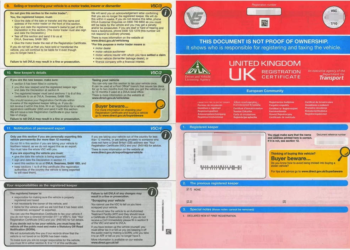
Do you want to translate Civil Status Certificates, School Certificates, car documents and driver's licenses or other documents issued by the state organs?
We use essential cookies to make this website work. With your consent, we may also use analytics, marketing and preference cookies to improve the website, measure performance and personalize content or advertising.