Translating Literature: The Case of the Harry Potter Book Series
Have you ever wondered how book translation works? Or maybe you dream of becoming a translator yourself? Literary translation is a very complex field; nonetheless, translating such texts may bring a great deal of satisfaction. Thanks to literary translators, authors can reach audiences all over the world. As readers, we very rarely think about the process of creating the books we enjoy. It seems that the work of a book translator is not so easy – and we often don’t even realize what challenges they are facing.
Here, you will learn what a literary translator has to pay attention to during their work. You will understand that professional literary translation is not a piece of cake.
Who can become a book translator?
Perfect knowledge of a foreign language is not enough. A good translator must also have an excellent command of the target language – in this case, Polish. What other skills are essential? A solid understanding of grammar, spelling, and appropriate style is crucial to producing high-quality translations. Additionally, familiarity with the culture of the source language is very helpful.
What are the other must-have skills for a translator? The rules of spelling, grammar, and correct style are necessary to create a worthy translation. Additionally, knowledge of the culture of the language from which the text is being translated is extremely useful.
Of course, there are many types of literary translations, and each one is vastly different from the others. That’s why every single translator needs to possess different skills depending on the genre and style of the original.
The good news is that to become a book translator, you don’t need to have completed specific studies or possess certificates. The world has seen many brilliant translators who earned degrees in completely unrelated fields. What counts the most is talent for literature and sensitivity to language.
What is literary translation, and how do you translate a literary text?
There are many types of translation, but the two main categories are written and spoken translation. Literary translation belongs to the first group. It focuses on preserving the spirit and tone of the original text while adapting it for a new audience. The goal is to make the translated book feel as powerful and engaging as the original – without straying too far from the author’s intent.
Who translated Harry Potter into Polish?
Who took on the challenge of translating Harry Potter into Polish?
J. K. Rowling’s world-famous series was translated into Polish by Andrzej Polkowski, one of the most brilliant literary translators in Poland. He is the talented Polish translator to whom we owe the success of the Harry Potter books in Poland.
His name might also be familiar from the Polish translation of The Chronicles of Narnia. As the author of the Harry Potter translations, he did an excellent job handling the many challenges that could arise during the translation process.
Additionally, at the end of the first book – Harry Potter and the Philosopher’s Stone – Polkowski included a short glossary in which he explains the reasoning behind some of his translation choices. His work is a textbook example of successful literary translation.
What are the challenges of translating Harry Potter from English?
The Harry Potter series belongs to the fantasy genre, which is one of the most complex types of literary text that translators can work with.
Fantasy presents an imaginary world created by the author, which means we encounter new characters, places, and phenomena. That’s the reason why literary translation in this genre requires even more effort and creativity.
Additionally, during the translation process, one must pay close attention to several aspects that directly affect the quality of the translation. So what exactly does the translator have to focus on?
1. Cultural elements
When translating cultural references, a translator has two main options:
Exoticization – keeping the original term and possibly explaining it in a footnote.
Domestication – replacing the original with a culturally equivalent term.
In Harry Potter, there were many references to the magical world, and the translator had to decide which technique to use for each one.
For example, in the fifth book Harry Potter and the Order of the Phoenix, shortly before the end of the school year, students must take exams called OWLs (Ordinary Wizarding Levels). In Polish, Polkowski translated this as SUMy (Standardowe Umiejętności Magiczne).
Another great example of cultural translation challenges is the game Quidditch. Polkowski decided to keep the name in its original English form. He explained that the game had already generated considerable interest in Poland, and that most sports in the country have names borrowed from foreign cultures – making the choice more natural.
2. Wordplay
One of the toughest parts of translation is preserving wordplay.
Finding equivalents in the target language while maintaining the original humor is no easy task. A great example is the real name of Voldemort. In the second book, Harry Potter and the Chamber of Secrets, readers learn that the phrase “I am Lord Voldemort” is an anagram of his real name – Tom Marvolo Riddle.
In the Polish version, we get “Jestem Lord Voldemort”, which has the same meaning but is no longer an anagram of his real name. Despite this change, the translation was warmly welcomed by readers.
Of course, all of these choices are part of the translator’s job. Polkowski’s reasoning was simple: he wanted to preserve the original name, even if that meant giving up the humor created by wordplay. In some cases, translating wordplay would have been nearly impossible.
A good example is the name Diagon Alley, which is a play on the word “diagonally.” In Polish, it became Ulica Pokątna, a name that carries a similar mysterious tone but drops the pun.
3. Proper names
Proper names are among the most fascinating aspects of the entire series.
Have you ever wondered where Rowling got the ideas for her characters’, places’, and creatures’ names? Probably yes – but not everyone realizes that she gave deep thought to each and every name.
Most of them have roots in Latin or are modifications of already existing English words. Analyzing the literary translation of the Harry Potter series, we can see a variety of translation techniques.
Have you ever wondered where Rowling got the ideas for her characters’, places’, and creatures’ names? Probably yes – but not everyone realizes that she gave deep thought to each and every name.
4. Neologisms
Neologism, – newly invented words – are closely related to the previous category. In fact, many of the proper names in Harry Potter are also neologisms. But so are the names of spells, potions, and magical objects.
For example:
Horcrux became Horkruks – simply adapted to Polish pronunciation and spelling. Since the original English word doesn’t have an obvious meaning to readers, Polkowski had room to choose this technique.
Another interesting example involves the translation of Quidditch balls:
Quaffle and Snitch were translated phonetically into kafel and znicz,
while Bludger was translated into tłuczek – a Polish word meaning a bludgeon-like weapon. This translation preserves the meaning and function of the object in the story.
How does the translation of Harry Potter look in other languages?
If you’re curious how the Harry Potter books were translated into Italian, Finnish, German or Spanish, check out our other publications on this fascinating topic. Every language has its own unique challenges and creative solutions.
Are you interested in becoming a book translator?
If working as a literary translator is your big dream, but studying linguistics is not an option for you, there’s still a way forward.
You can always enroll in courses designed to prepare future literary translators. In such courses, you’ll find answers to questions like:
How can I become a good book translator?
How much does a book translator usually earn?
What are the most popular languages for literary translation?
Don’t be afraid of this new challenge. Literary translation is undoubtedly demanding – but the advantages of being a book translator are absolutely worth it.
Not only will your name appear on one of the first pages of the book, but translators also often get access to original manuscripts before the books are officially released.
It’s hard to estimate the exact number of literary translators in Poland – so why not give it a try?
Perhaps professional book translation is your road to success!
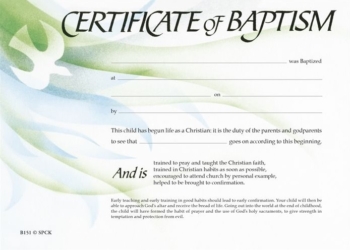
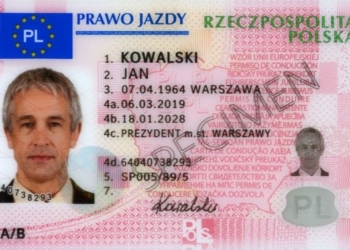
Do you want to translate official documents, such as a civil status certificate, school certificate, automobile documents, driver’s license or any other standardized document issued by a State authority?
Go directly to the store, select your document and have it translated instantly.
If you are looking to translate a non-official document or one that is not in our store, we invite you directly to the contact form. Send us a photo or scan of the documents you want to translate for a free quote.
We use essential cookies to make this website work. With your consent, we may also use analytics, marketing and preference cookies to improve the website, measure performance and personalize content or advertising.