What is a Sworn Translation? 🆚 What is a Certified Translation?
What they are and how they are performed in different countries?
What are certified translations?
In the world of global business, education, and government interactions, translation of important documents plays a crucial role. They enable official submission of documents to government agencies, courts, universities, and financial institutions. However, their format, requirements, and acceptability may vary from country to country.
Certified translations vs Sworn translations
Certified translations of documents are translations that have been formally confirmed by a person holding the appropriate qualifications as a certified translator. Sometimes we also refer to them as certified or sworn translations. However, it is worth noting that ‘sworn translation’ is a colloquial term and is not formally used in legal documents.
Sworn translator – status, powers and responsibilities
In Poland, a sworn translator is a person of public trust. They obtain the status of a sworn translator after passing an exam and being entered into the register of the Ministry of Justice. Each translation performed by such a person is stamped with the translator’s seal and entered into the sworn translator’s repertory. Sworn translations of documents are accepted by offices and institutions in Poland and abroad.
What documents require certified translation?
The most common types of documents to be translated by a certified translator
Certified translation vs the Apostille and the Hague Convention
For translations intended for use abroad, additional certification in the form of the Apostille is often required. This applies to countries that are party to the Hague Convention.
This is an international agreement from 1961 that simplifies the legalization of documents intended for international circulation. This convention introduced the institution of the Apostille – a stamp confirming the authenticity of a signature, the capacity of the person signing the document, and the identity of the issuing authority.
Submission of a translation by an authorized person and bearing the Apostille becomes an authenticated document recognized internationally.
Sworn translation service in English-speaking countries
In English-speaking countries, such as the United States or the United Kingdom, there is no uniform profession of sworn translator, as there is in Poland. Instead of sworn translators, there is a form of certified translation. Such translations of legal documents are commonly used in official matters, and foreign sworn translations may also be accepted.
The USA
In the US, certified translations are accompanied by a written statement from a translator confirming that a translation was performed accurately and in accordance with the original. Often, the document must include the translator’s contact information and the date. Such translations can be used, for example, in immigration, educational, legal, and official documents.
The Great Britain
In the Great Britain, translations certified by a translation agency or a professional translator are also accepted, with their signature including their personal details, contact information, date and any membership to a professional body – for example, the Institute of Translation and Interpreting (ITI) or the Chartered Institute of Linguists (CIOL), confirming the authenticity of the translation.
Although these procedures do not take the form of an official oath, certified translations in English-speaking countries are widely recognized and treated as binding documents.
Sworn translation service in the European Union
Professional translation services in the European Union countries aim to ensure the credibility and compliance of documents with the requirements of public institutions, although they vary in terms of procedure.
Austria
In Austria, certified translations (‘beglaubigte Übersetzungen’) must be performed by a sworn translator (‘gerichtlich beeideter Übersetzer’). This applies to official documents such as birth certificates, contracts, and diplomas. As in Poland, a translator signs and stamps the translation, giving it legal validity. For documents intended for use abroad, the Apostille may be required in accordance with the Hague Convention.
Belgium
Sworn translators are registered centrally in the SPF Justice (Service Public Fédéral Justice) register. Since the end of 2022, the physical seal has been replaced by a qualified electronic signature, which a sworn translator or interpreter must apply to every translated document, streamlining the certification process. For sworn translations into French and Dutch, the sworn translator must meet strict formal criteria.
Bulgaria
Certified translations are performed by agencies approved by the Ministry of Foreign Affairs. Translations of legal or personal documents, such as marriage certificates or diplomas, must be on the agency’s letterhead, include the sworn translator’s stamp and signature on each page, and include a clause. Bulgaria does not have a state examination for sworn translators, so sworn translations performed by Bulgarian agencies are not recognized by Polish authorities.
Croatia
Translations are performed by sworn translators (sudski tumači), who have obtained their qualifications based on an examination and a decision issued by the relevant ministry. A certified translation ensures the validity of documents in official institutions. As in Poland, a certified written translation must include a signature, stamp, and a number in the translator’s repertory. Each translator maintains a journal numbering their work. Translators are required to regularly renew their qualifications.
Cyprus
In Cyprus, certified translations (‘επικυρωμένες μεταφράσεις’) are required for court documents and notarial deeds. Private translators cannot perform sworn translations, and only the Cyprus Translation Agency has the authority to authenticate official documents. Importantly, certified translations from a foreign language into another foreign language (e.g. English-French) are not performed. The document must first be translated into your native language or ask the office to issue the document in your national language.
The Czech Republic
Sworn translations (soudní překlady) are performed by translators enlisted by the Ministry of Justice. A certified translation is a document containing a translation clause and a round seal with the national coat of arms. A translation must also be registered in the translator’s journal. Translations into Czech are performed by qualified sworn translators who must pass a state examination and be sworn.
Denmark
In Denmark, certified translations (‘certificeret oversættelse’) are performed by translators approved by the Danish authorities. Translations of important documents, such as medical records, require the translator’s stamp. It is worth noting that a translator can only certify a translation between Danish and a foreign language.
Estonia
In Estonia, certified translations (‘notariaalselt tõendatud tõlge’) must be certified by a notary or a sworn translator. The documents require translation into Estonian or English. Similarly to Poland, sworn translations are performed for birth certificates and diplomas. From 2020, only sworn translators can perform official translations.
Finland
Certified translations in Finland (aateloitu käännös) are performed by translators with qualifications granted by the Finnish National Board of Education, obtained after completing appropriate studies or courses. In Finland, there is no requirement to pass an exam or take an oath, and there is no official title of sworn translator. For this reason, translations performed in Finland are often not recognized internationally.
France
In France, sworn translators (les traducteurs assermentés) are directly affiliated with the courts of appeal before which they take their oath. Their names appear on official lists published by the French Ministry of Justice. Sworn translations must include the translator’s signature, stamp, and information about the court before which the translator was sworn. Polish sworn translations are only recognized if they were performed by a translator from the French list.
Greece
In Greece, certified translations (‘επίσημη μετάφραση’) are performed by certified translators from the list of the Ministry of Foreign Affairs. Their names are included in the official register. Translations of official documents must be signed and stamped, which involves assuming legal responsibility. As in Poland, certified translations are necessary in court proceedings.
Spain
In Spain, sworn translators (los traductores e intérpretes jurados) are appointed by the Ministry of Foreign Affairs. Each sworn translator has a unique registration number and can certify translations of official documents. Sworn Spanish translations are produced in paper format. The translator’s stamp and signature are required. They are only considered credible if certified by a sworn translator in Spain.
The Netherlands
In the Netherlands, certified translations (‘beëdigde vertaling’) can only be performed by translators registered in the Dutch legal register (Register of sworn interpreters and translators – Rbtv). A certified translation is required for documents such as contracts, diplomas, and court documents. Similarly to Poland, the Netherlands allows online certified translations, provided they meet formal requirements. Importantly, Dutch certified translators must renew their certification every five years, confirming their qualifications. Unlike some EU countries, the Netherlands recognizes certified translations from other member states if they were prepared in accordance with local regulations.
Ireland
In Ireland, sworn translations take a different form than in Poland, as there is no official profession of sworn translator. However, certified translations of documents can be certified by public notaries, court-registered translators, or members of the Irish Translators’ and Interpreters’ Association (ITIA). Certified translations cover official documents such as birth certificates, contracts, and diplomas. Unlike Poland, where certified translations require only the sworn translator’s stamp, Ireland employs a more flexible system.
Lithuanian
Lithuania does not have a sworn translator profession, so certified translations of documents are certified by a notary, who certifies the translator’s signature. In practice, certified translations are performed by certified agencies, and each certified translation must include the translator’s details, a declaration, and a true copy of the original. An Apostille is required for exporting documents abroad, in accordance with the Hague Convention. If you need a certified translation of a diploma, birth certificate, or contract, you can also order them as certified translations online.
Luxembourg
In Luxembourg, sworn translations (‘les traductions assermentées’) are performed by translators enlisted by the Ministry of Justice, who can apply for a position after completing a university degree in translation. Certified translations with a signature are required for official documents.
Latvia
In Latvia, sworn translations operate differently than in Poland – there is no official profession of sworn translator. However, certified translations of documents can be certified by public notaries or, in certain cases, by public administration departments. This applies to official documents such as civil status records, contracts, and diplomas. A certified translation requires notarization or an official stamp.In Latvia, sworn translations operate differently than in Poland – there is no official profession of sworn translator. However, certified translations of documents can be certified by public notaries or, in certain cases, by public administration departments. This applies to official documents such as civil status records, contracts, and diplomas. A certified translation requires notarization or an official stamp.
Malta
In Malta, sworn translations, also known as certified translations, are performed by individuals or entities registered with the Ministry of Foreign and European Affairs. The registration process ensures that translators meet high standards for accuracy and legal validity. In criminal cases, the translator is appointed by a judge, usually using the official list maintained by the Criminal Court Register, which is also available online.
Germany
In Germany, certified translations (‘beglaubigte Übersetzung’) are required for court documents or notarial deeds. Such translations can only be prepared by a sworn translator (vereidigter Übersetzer) who has the appropriate qualifications granted by the relevant court. For documents submitted in other European Union countries, a certified written translation is often sufficient, without additional formalities such as the Apostille or legalization.
Norway
A sworn translator in Norway, or statsautorisert translatør, is a person of public trust whose translations have legal force. A sworn translation must be in written form and include a special clause certifying its compliance with the original. This clause is created individually by a translator but must include the translator’s name and the languages in which they are certified. A sworn translation also includes the sworn translator’s stamp and signature. A translator is responsible for the linguistic and substantive accuracy of the document, which is why a sworn translation service requires the utmost care.
Poland
In Poland, the institution of the sworn translator exists. A sworn translator obtains certification after passing a state examination and being entered into the register maintained by the Minister of Justice. We distinguish between online sworn translations (with a qualified signature) and certified translations in paper form, which are stamped and entered into the translator’s repertory. They are widely accepted in offices, courts, and institutions.
Portugal
In Portugal, certified translations of documents are not performed by individual sworn translators, as such a profession does not formally exist in the Portuguese legal system. Any translator can perform a translation, who then submits a written declaration of the accuracy of the translation. The translator’s signature is certified by a notary, civil registrar, lawyer, or representative of the chamber of commerce – these are the individuals authorized to certify translations. Such a certified translation with a signature has legal force and may be required for official documents such as birth certificates, diplomas, medical records, or contracts.
Romania
In Romania, certified translations are performed by translators authorized by the Ministry of Justice, and their signatures are additionally authenticated by a notary, giving the document legal force. Certified translations are required for official documents such as birth certificates, diplomas, contracts, medical records, and court documents.
Slovakia
In Slovakia, every sworn translator entered in the register of translators can perform both oral and written translations. As part of their sworn translation services, they are entitled to use the official stamp of a sworn translator and a special ID card issued by the Ministry of Justice. Translations certified by the translator’s signature must also include a translation clause and a number in the sworn translator’s repertory.
Slovenia
In Slovenia, the right to provide sworn translations is possible after being entered into the register of sworn translators by the Ministry of Justice. One translator can perform both written and oral translations. The public register of sworn translators contains the translator’s data. Although some data (e.g. identification number, professional title or employment status) is not publicly available. In the case of certified translations, translators use the repertory and use a seal, and confirm the credibility of the document with a signature of a sworn translator.
Hungary
In Hungary, you can only order translations certified by the Hungarian Office for Translation and Attestation (OFFI Zrt). There are paper and electronic versions (e-authentic), which contain a clause, identifier and security features. Paper documents are permanently linked to the original, while electronic documents have a qualified signature and are sent remotely. OFFI authorisations are also accepted outside the country, provided they meet the requirements of a given office.
Italy
There is no uniform institution of a sworn translator in Italy. Certified translations are most often certified by a translator in the presence of a notary or court official. The translator should have sufficient knowledge of two languages and submit a declaration of compliance of the translation with the original, which is approved by the appropriate office.
Sworn translation service in Eastern European countries
Russia
In Russia, court and official documents can be translated by any translator, but their certified translation must be notarized. This is a common practice for certified translations. There is no such a profession as a sworn translator in the Polish sense. The concept of a ‘court translator’ exists, and is involved in official matters when necessary. However, this profession is not officially or legally regulated.
Ukraine
In Ukraine, as in Russia, sworn translations are performed before a notary or by a court registrar. Foreign sworn translations are accepted there if they comply with local law.
Belarus
Belarus also lacks a profession of a sworn translator under Polish law. Translations must usually be notarized. Such a document has official force. In practice, certified translations are required, for example, when applying for citizenship, employment, or studies.
In what situations are certified translations required?
These include:
recognition of diplomas, contracts, and certificates
legalization of personal and official documents
court proceedings
traveling abroad
If you need a certified translation, it is worth checking whether a certified will suffice or you will need a sworn translation, and whether the Apostille is also required.
Summary: What is woth knowing?
International document circulation requires a certified translation with a qualified signature from a sworn translator. In some countries, you can order a certified translation online. Document translations should meet the requirements of foreign institutions. Whether you perform certified translations yourself as an agency or order them online, the format must comply with local law. Each type of translation may have different requirements. The cost of translation depends on the language pair, the volume, and the type of document. Only an experienced sworn translator can guarantee that a certified translation ensures full formal compliance with the regulations of the target country.
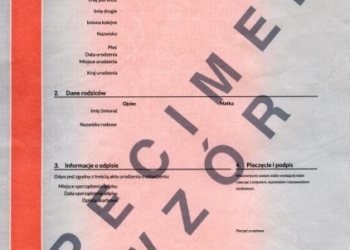
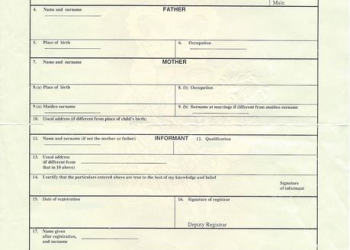
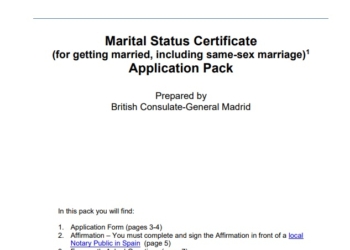
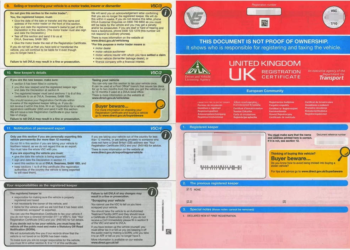
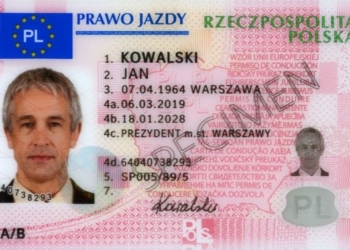
Do you want to translate Civil Status Certificates, School Certificates, car documents and driver’s licenses or other documents issued by the state organs?
Certified translations - the most fregent asked questions
In which countries are there no sworn translators?
Sworn translators are not found in many English-speaking countries, such as the United Kingdom, the United States, Ireland, Canada, and Australia. These countries lack a uniform, national system of sworn translators. Instead, certified translations are used, meaning they are accompanied by a declaration from a translator confirming their compliance with the original, and sometimes notarized. A lack of sworn translators means that documents are assessed individually by the institutions receiving a translation – it is worth checking their formal requirements beforehand.
Czy w krajach byłego bloku radzieckiego istnieje zawód tłumacza przysięgłego?
In many former Soviet bloc countries – such as Russia, Ukraine, Belarus, Moldova, Kazakhstan, and Uzbekistan – the Western model of a sworn translator does not exist. Instead, notarization of a translation is used, which involves the confirmation of the translator’s signature by a notary. Any professional translator can perform a translation, but their signature must be certified by a notary for the document to be legally binding. In practice, this means that a sworn translator’s formal seal is not required, but documents still require some form of authorization. These systems often rely on cooperation between translation agencies and notary offices.
Sworn Translator: The requirements for hiring a sworn translator of English depend on the context and specific situation in which the translation is needed. A sworn translation is most often required in the following situations: – Translation of official documents, such as birth certificates, marriage certificates, school reports, or diplomas. A translator certifies the authenticity of the translation and its compliance with the original with their signature, stamp, and repertory number. – Legal Proceedings – An English translator can provide oral translations for interrogators or translations of documents related to legal proceedings. A sworn translator certifies that the oral or written translations performed for a court hearing are a faithful reproduction of the original. A sworn translator can also testify in court as an expert. It is important to remember that requirements for sworn translators may vary depending on the country and local legal regulations. It is always worth checking the applicable regulations and requirements in a given country for specific situations.
A standard English translator: When there is no legal or official requirement, a standard English translator may be sufficient. For example, when translating technical or literary texts, newspaper articles, websites, or other materials that are not of an official or legal nature, a standard translator will suffice.
When is the Apostille required?
The Apostille may (but does not have to) be required when a public document is to be used in another country that is a signatory to the 1961 Hague Convention. An Apostille certifies the authenticity of a signature, stamp or official mark, but not a translation itself.
Is a written translation certified by a sworn translator in Poland sufficient for official matters in the UK?
Not always. There is no official institution of sworn translators in the UK – instead, translations signed by a translator and certified by professional associations or a notary are accepted. British offices may reject a Polish sworn translation if it does not meet their formal requirements.
What documents require certified translation?
According to the law, a page of certified English translation consists of 1,125 characters, including spaces. Prices may vary depending on the nature of the document, from PLN 30 (7, 09 EUR; 6, 25 GBP; 8,18 USD) to PLN 60 (14, 19 EUR; 12,50 GBP; 16,36 USD) net per page. Our translation agency offers a number of very favorable discounts, including for official documents with a standardized format.
Can I order a sworn translation online?
Yes, in most cases, you can order a sworn translation (certified by a sworn translator) online. Simply upload a scanned or PDF document, and the finished translation can be delivered by post or electronically, provided the institution accepts it.
What does sworn translation work like in Italy?
In Italy, there is no profession of sworn translator in the Polish sense. Certified translations are typically certified by a notary or submitted to a court along with the translator’s oath (giuramento). The original or a copy of the document must also be attached.
When do you need a certified translation instead of a sworn one?
Certified translations are used in countries where there is no system of sworn translations (e.g., the USA, the UK, Canada). In this case, translations prepared and certified by a sworn translator can be used. The translator can then include a signed declaration confirming that a translation complies with the original. Certification does not require state authorization but may still be accepted by authorities.
Are there lists of sworn translators in specific countries around the world?
Yes, many countries maintain public registers of sworn translators, such as Germany, Spain, Sweden, the Czech Republic, and Poland. In countries without a formal system, you can use the registers of professional associations or databases of notaries performing certifications.
Do all documents have to be signed by a sworn translator?
Yes – certified translations require the signature, stamp, and affixing of a sworn translator’s signature. Often, each sheet must be marked to ensure the document has legal validity and is difficult to forge or separate.
Is there an exam needed to become a sworn translator in Poland?
Yes, in Poland, there is a state examination organized by the Ministry of Justice. Candidates must demonstrate proficiency in the language, legal skills, and translation skills. After passing the exam, they are entered into the list of sworn translators.
Do they always require certified translations in Russia?
In Russia, translation certification is typically accomplished by the translator’s signature and notarization. In practice, many documents, particularly those for public offices and courts, must be notarized. Translators have no formal state status.
What are the characteristics of certified translation in countries without sworn translators?
In such countries, certified translations are used, which include a declaration by a translator that the translation is a true copy of the original. In some cases, notarization of a signature is also required. A lack of central registration means that credibility relies on the translator’s reputation or membership in a professional organization.
How to choose the right type of translation for an official procedure?
First, check the requirements of the institution to which you are submitting the document – various offices may require a sworn, certified, notarized, or Apostille-certified translation. If in doubt, it is best to consult a translation agency, which will help you select the right type of translation for your specific procedure.
Privacy & cookies
This website uses cookies
We use essential cookies to make this website work. With your consent, we may also use analytics, marketing and preference cookies to improve the website, measure performance and personalize content or advertising.